the neurodivergent village

About Us
Alison
Behaviour Support Practitioner
Alison is an NDIS-registered Positive Behaviour Support Practitioner with a strong background in education, counselling, and neurodevelopmental support. She holds a Bachelor of Early Childhood and Primary Teaching and is currently undertaking studies in Counselling. Alison has completed specialised training in NDIS Behaviour Support and Restrictive Practice compliance.
Her experience spans special education, alternative education settings, and behaviour support services, where she works alongside neurodivergent children, adults, families, and multidisciplinary teams. Alison has extensive experience developing, implementing, monitoring, and reviewing Behaviour Support Plans that are practical, trauma-informed, and aligned with NDIS Quality and Safeguards requirements.
Alison specialises in:
Pathological Demand Avoidance (PDA)
Drawing on both lived and professional experience.
Functional Behaviour Assessment and understanding the function of behaviour
Neurodivergent-affirming behaviour support
Her approach focuses on understanding the function of behaviour, calming the nervous system, reducing restrictive practices, and making environmental adjustments that promote autonomy and minimise the need for equalising behaviours.
With a strong focus on capacity building, Alison supports parents, carers, educators, and frontline staff to confidently implement strategies that promote safety, connection, skill development, and meaningful participation. Her practice is strengths-based and grounded in collaboration, dignity, and participant voice.
Services offered
behavioural support
I am a Behavioural Support Practitioner with a specialised focus on supporting children with a Pathological Demand Avoidance (PDA) profile.
In addition to my professional experience, I bring lived understanding as an AuDHD/PDA individual and as a parent of two children (aged 9 and 11) who also present with a PDA profile. This dual perspective informs a compassionate, neuroaffirming approach to my practice.
My work centres on supporting families to develop a deeper understanding of PDA and its impact on a child’s nervous system, behaviour, and daily functioning. Rather than seeking to change the child, I prioritise identifying and implementing environmental adjustments that reduce demand, increase a sense of safety, and support emotional regulation.
I work collaboratively with families to create sustainable, low-demand environments that align with the child’s needs. In parallel, I engage directly with children to support the development of skills that enhance independence and autonomy, in a way that respects their need for control, predictability, and connection.
My approach is grounded in respect, flexibility, and a commitment to improving quality of life for both the child and their family.
Early Childhood Supports / Key Worker
At The Neurodivergent Village we take a family-centred approach with a focus on the active involvement of parents and caregivers in decision-making and work in collaboration; Ensuring support strategies align with each family's unique strengths and values. Using our specialised expertise in early childhood development we work under a Key Worker model to coordinate and oversee a child's support services.
An NDIS Key Worker is a qualified practitioner (allied health or educator) who coordinates early childhood intervention for children under 9 with disability or developmental delays. They provide a single point of contact, delivering tailored, evidence-based therapy in natural environments like home or daycare, reducing stress and simplifying support.
Therapy should be fun

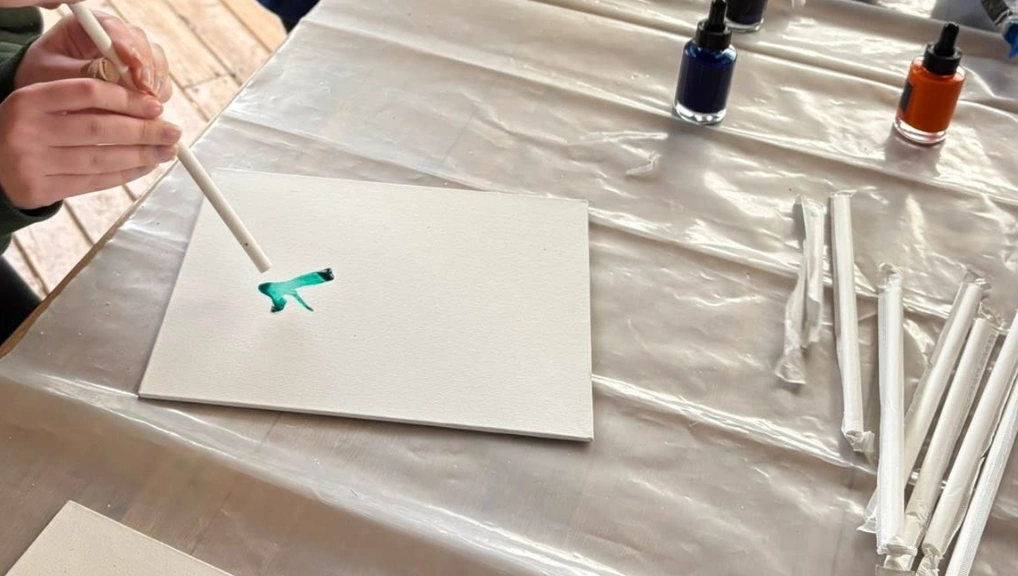
Fine Motor skills
Using fun, engaging activities that are meaningful to your child, I build skills to encrease their autononmy and lower frustration.
Regulation skills can be creative
Regulation skills are unique to each person. Working together we find ways that work for you

Perfectionism
Hands on learning is so much more fun. Building skills and understanding about being a perfectionist can be important for many autistic people.
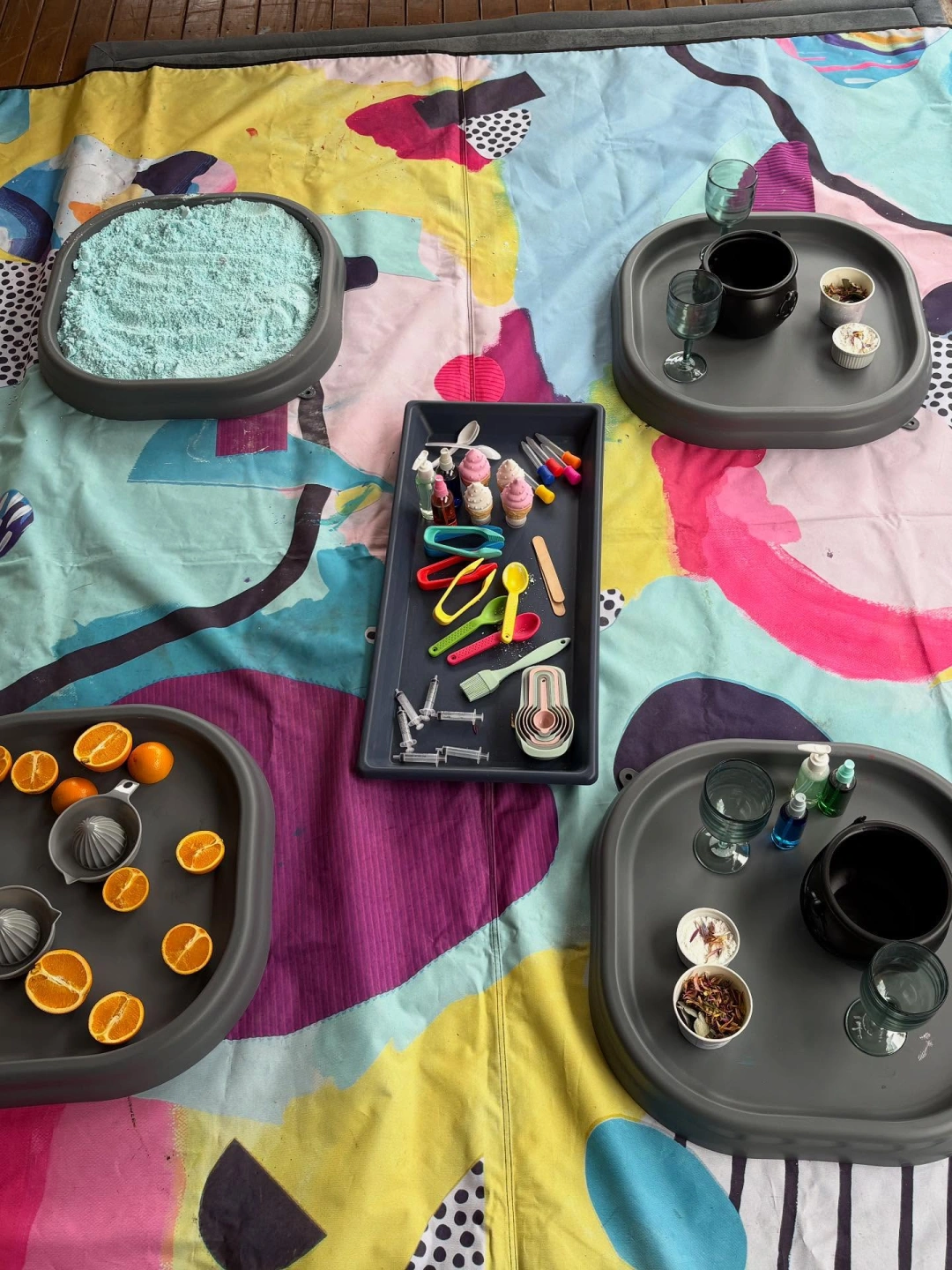
Fine Motor skills
Using real life items build executive functioning skills during play.

Parent / Community Education
I love talking about PDA and the importance of early childhood suports
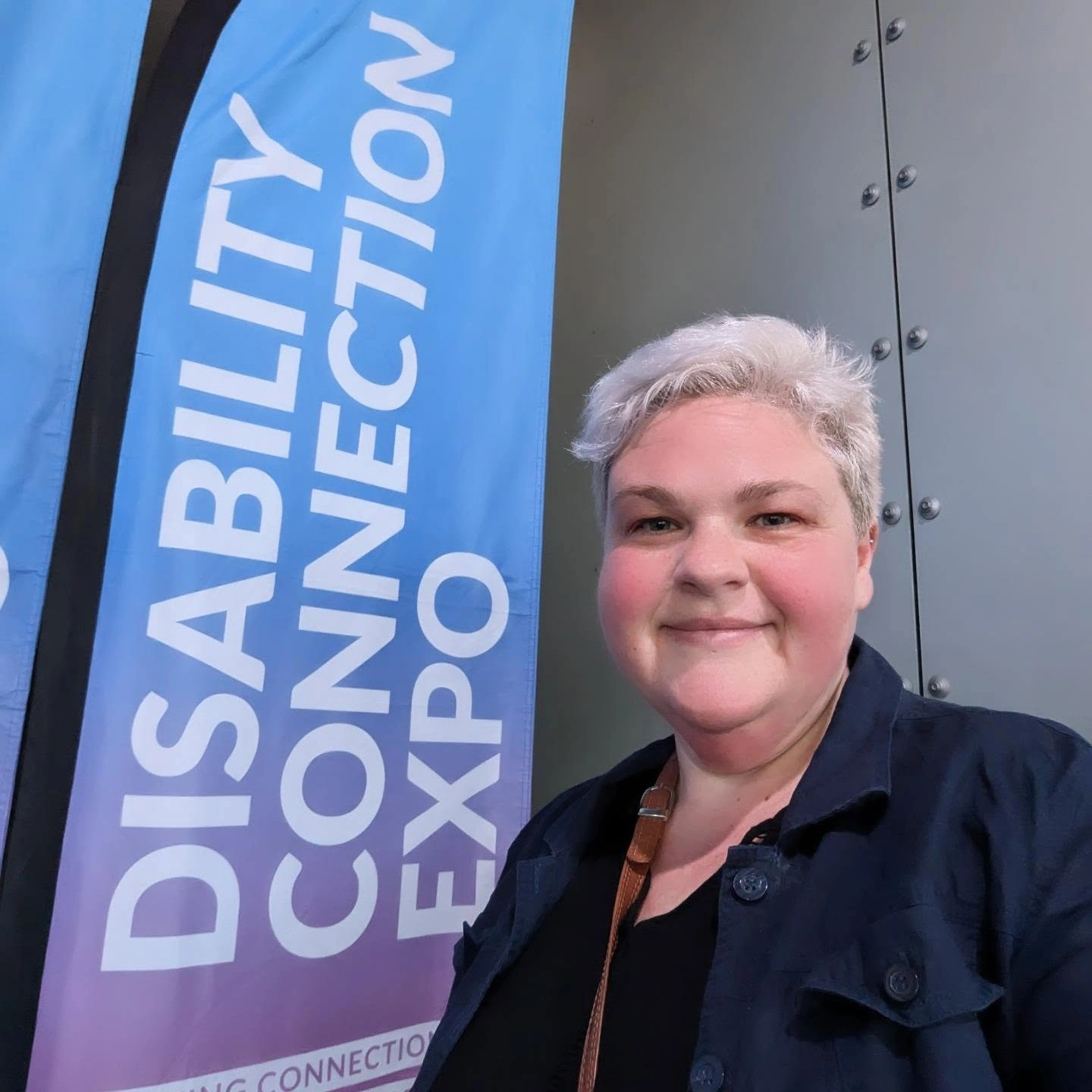
constantly learning
I love to learn.
I engage in weekly supervision, attend regular training and am always deep diving into a new research
Frequently Asked Questions
A constructivist approach to behaviour support emphasises the person's active role in constructing their own understanding and meaning-making, rather than solely relying on external instruction or reinforcement.
It focuses on empowering individules to reflect on their experiences, develop self-regulation skills and engage in meaningful problem solving.
Yes! Positive Behaviour Support (PBS) can support an individual with a Pathological Demand Avoidance (PDA) profile.
We take a collaborative, low-demand, and anxiety-informed approach, based on the evidence informed constructivism approach. Focusing on reducing anxiety-driven triggers and promoting autonomy